What brain studies found, why books feel hard after screens, and how to help your child reach for a book more often.

What the research says about understanding, focus and sleep, and when an e-reader genuinely helps.

What paediatricians recommend at each age, the signs it's too much, and how to set limits that hold without a fight every evening.

Why switching off ends in tears, a routine that makes limits hold, and what to offer in place of the screen.
The gentle handover from reading to them to reading on their own: shared chapters, first series, audiobooks and quiet reading time.
What games already teach about stories, what a survey of young gamers found, game-tie-in books as a bridge, and series with quests, levels and worlds to explore.
Why a book trains focus in a way few other things do, how to build reading stamina step by step, and what to do when your child drifts off the page.

A calm 30-minute wind-down for ages 6 to 14, with screens out and reading in, how much sleep each age needs, and what to do when bedtime turns into a battle.
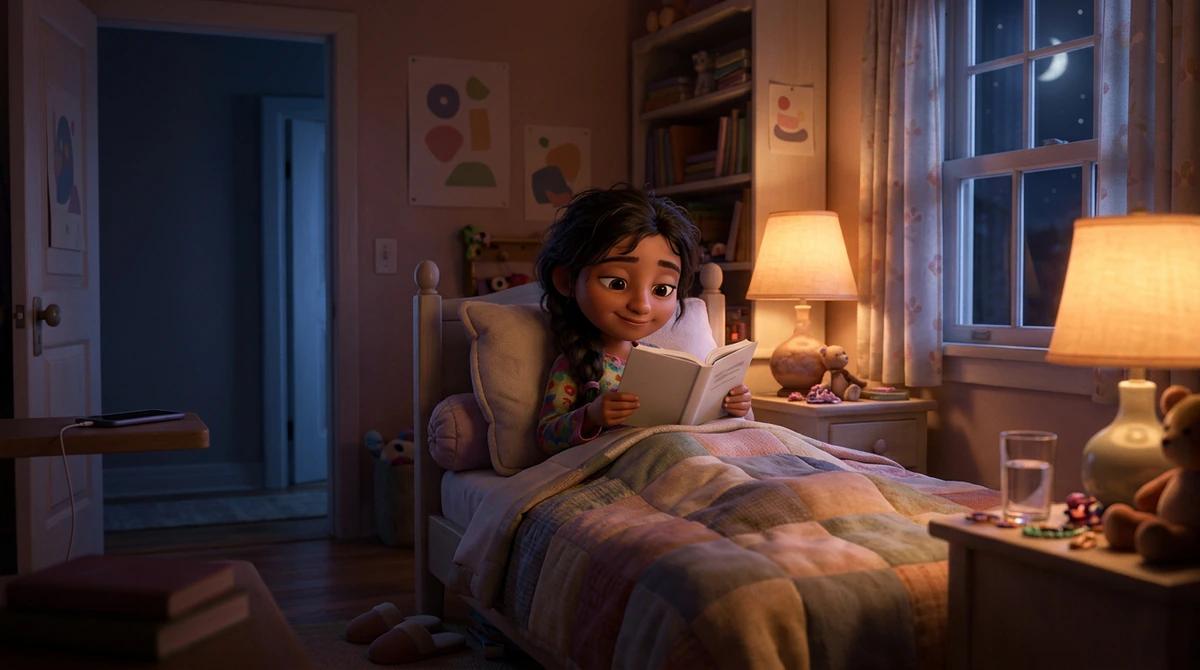
What "I don't like reading" usually means, why so many children stop around nine or ten, and a step-by-step way back to books.
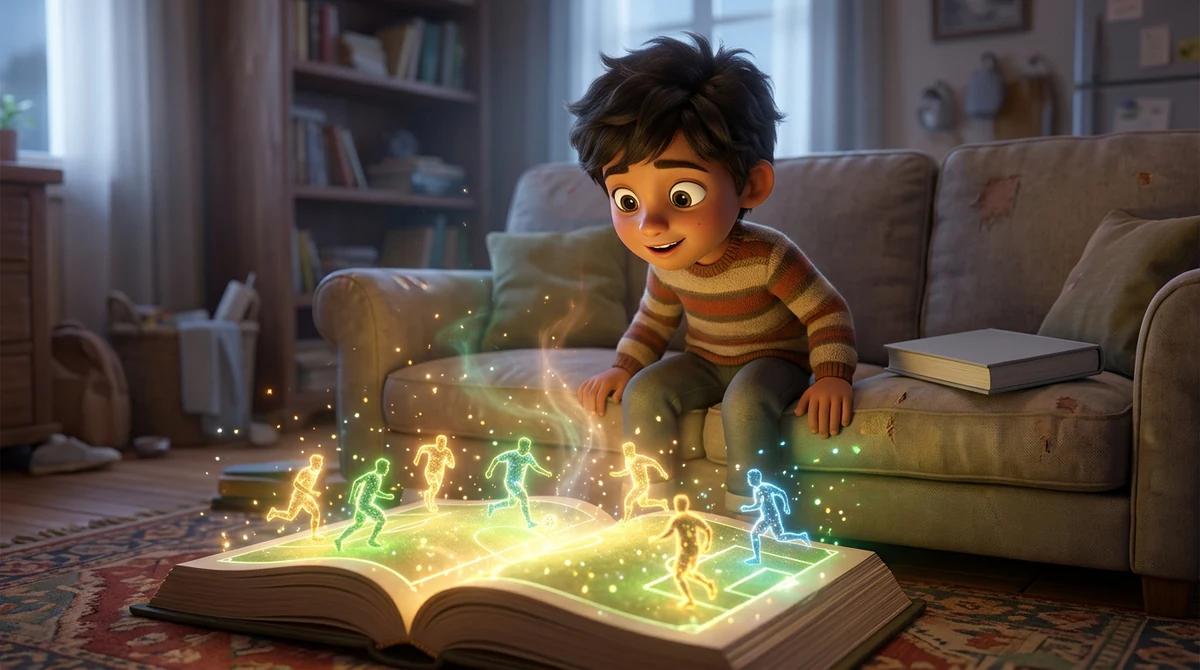
Only children aren't lonelier or more spoiled than others, but they do need a different plan for company, play and time alone. Practical ideas for ages 6–14.