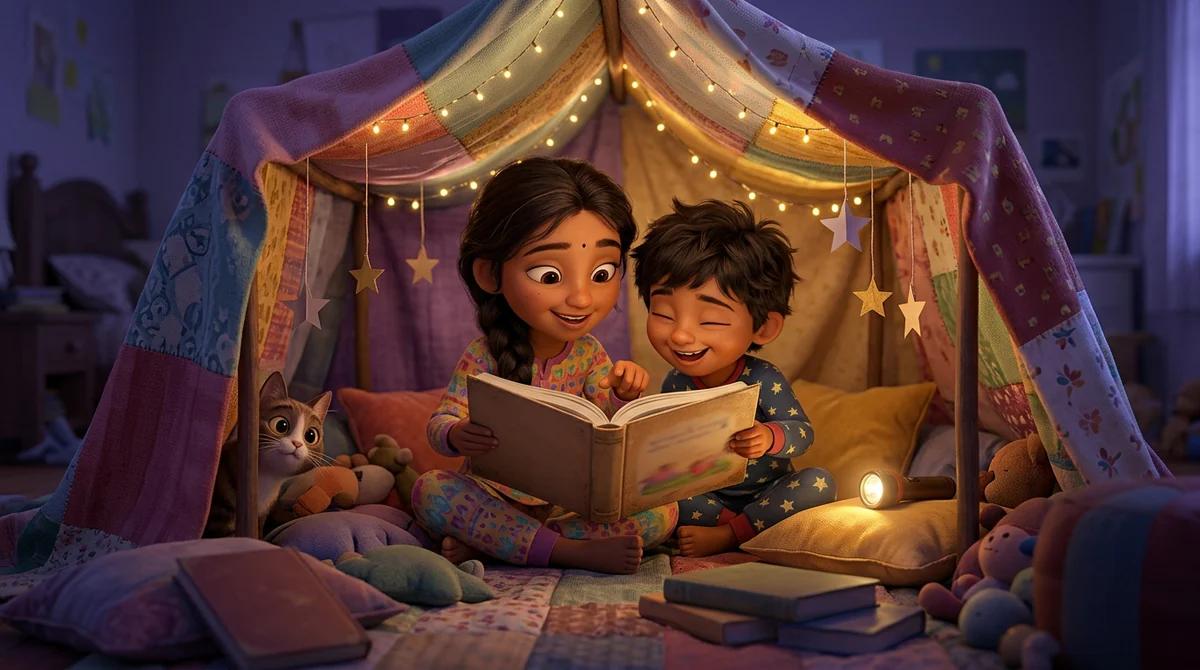
No worksheets needed. Small questions at the dinner table, in front of an advert and inside a good book.
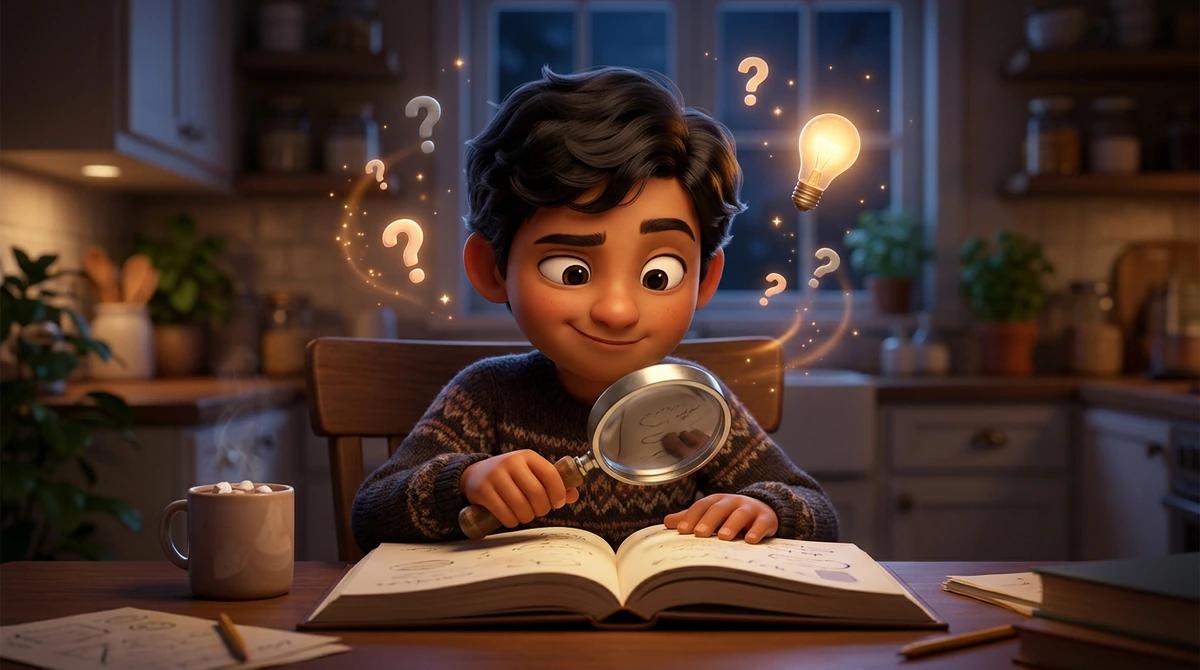
Why children say "fine", 40 questions sorted by the moment, and the listening moves that keep them talking.
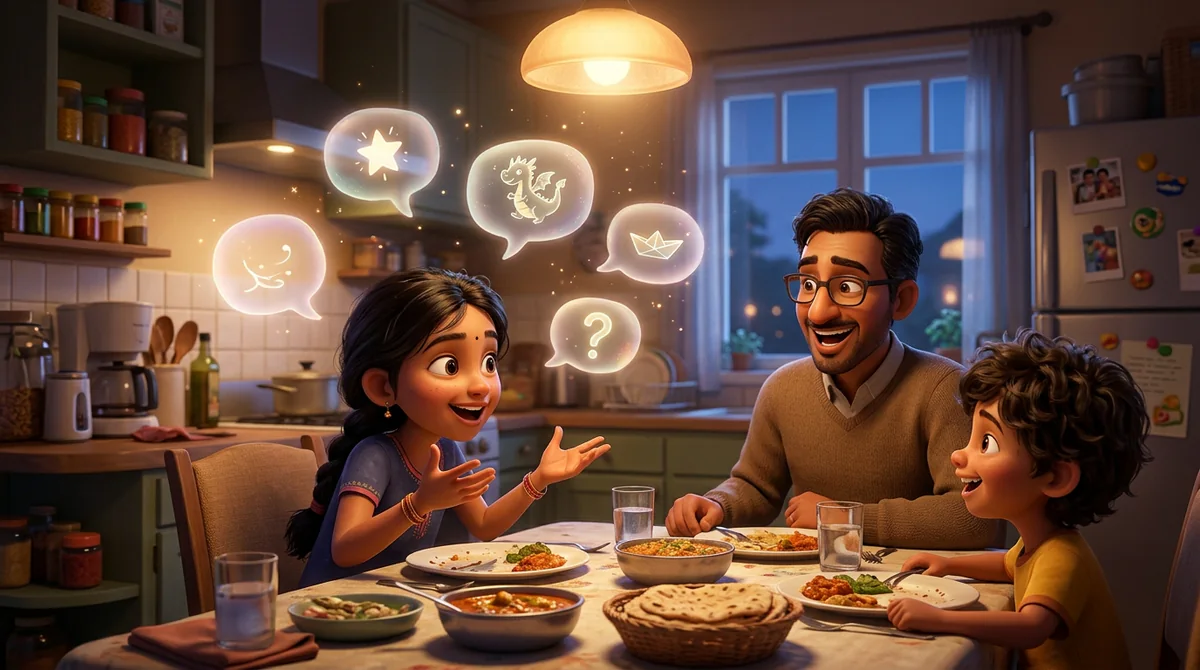
AI can explain, quiz and give feedback, or it can do the thinking for your child. Simple family rules for homework, privacy and spotting fakes.
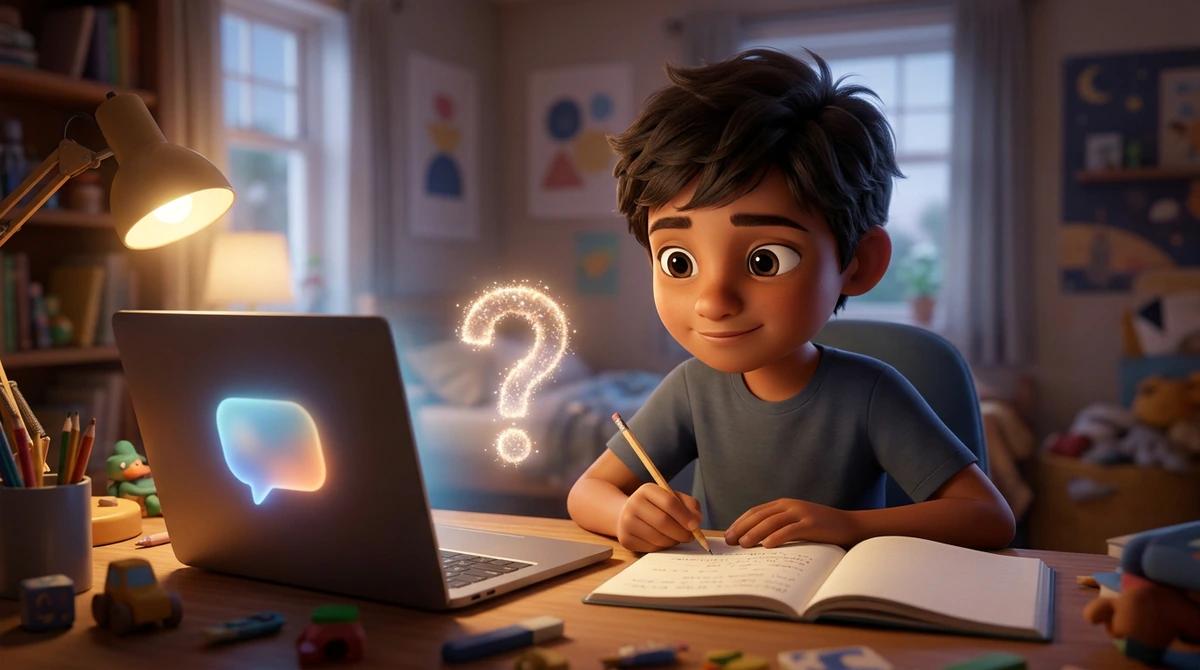
Reading builds critical thinking, empathy, imagination, and curiosity. See the research-backed ways books help children develop stronger minds over time.
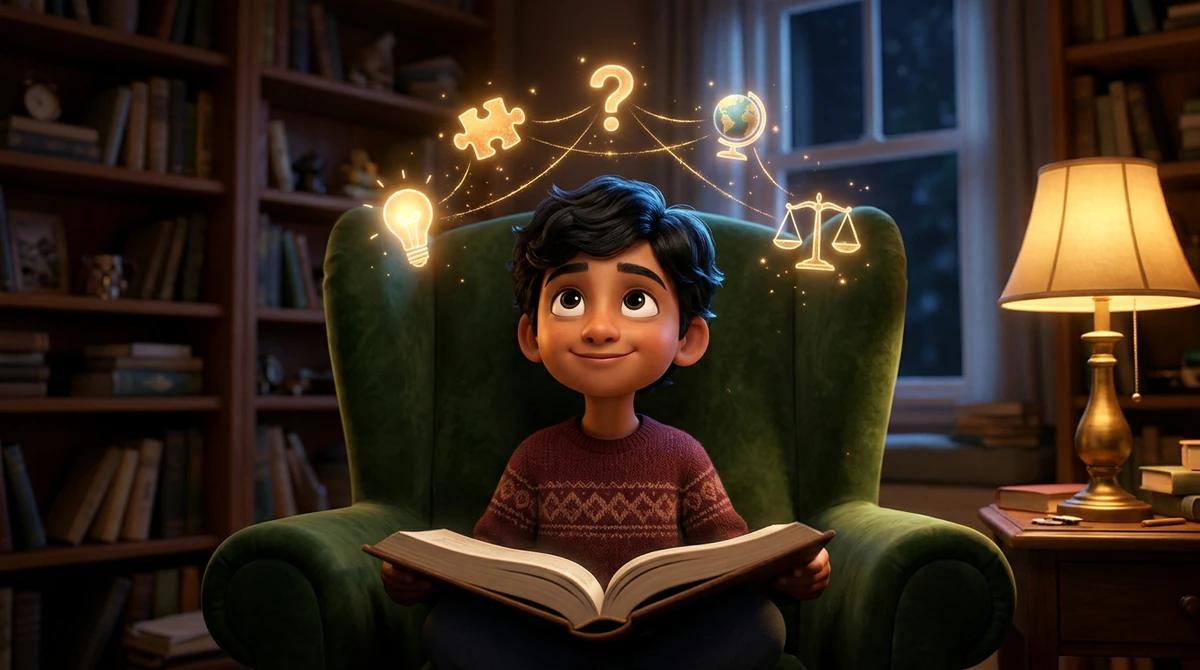
Fantasy builds imagination, mystery strengthens reasoning, and adventure grows curiosity. Learn how each genre shapes children’s thinking and reading habits.
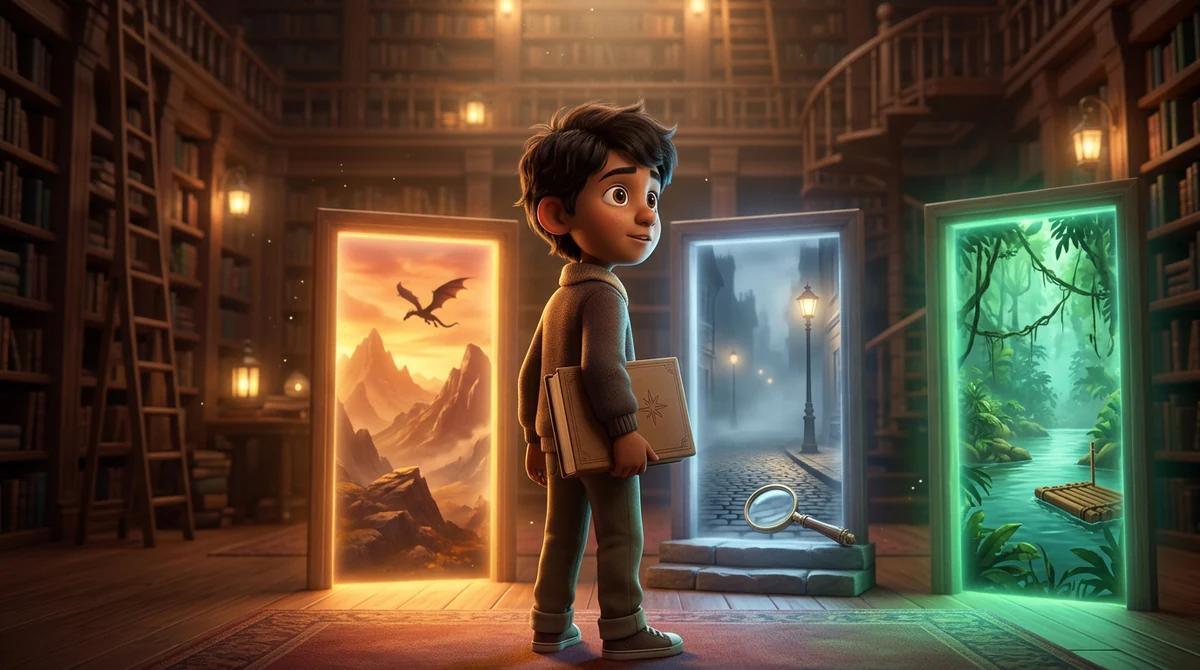
A simple five-part shape (opinion, reasons, an example, the other side and a conclusion), sentence starters, sample paragraphs for ages 7 to 14, and topics children actually care about.
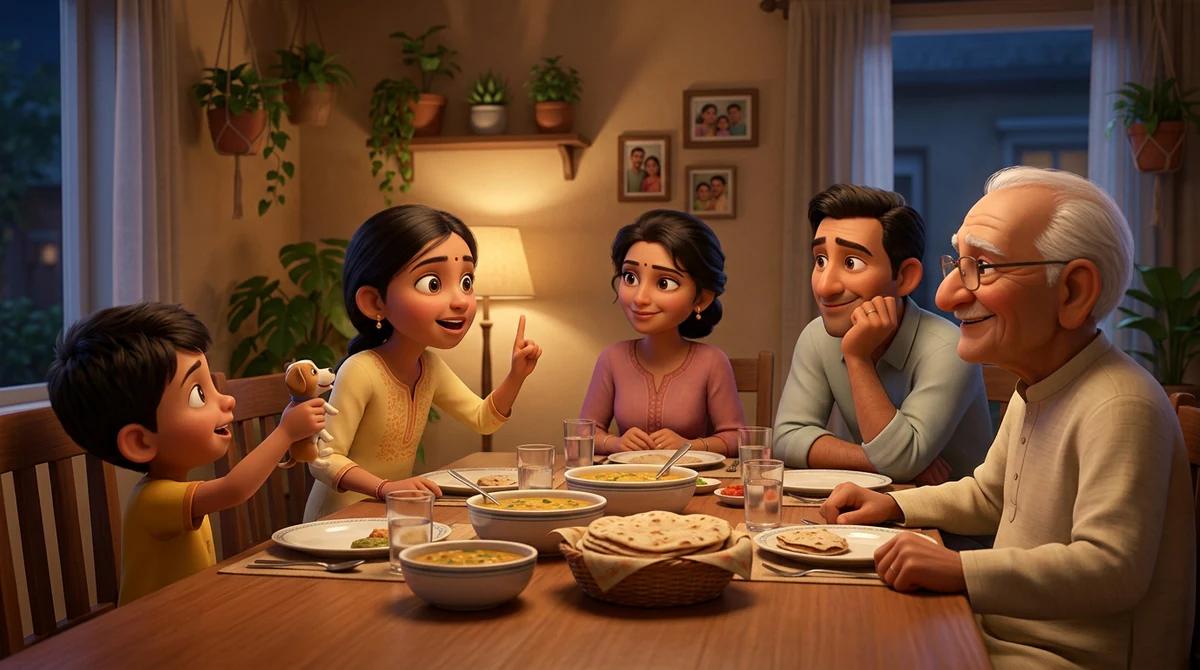
Five questions that turn "It was good" into a review someone would want to read.
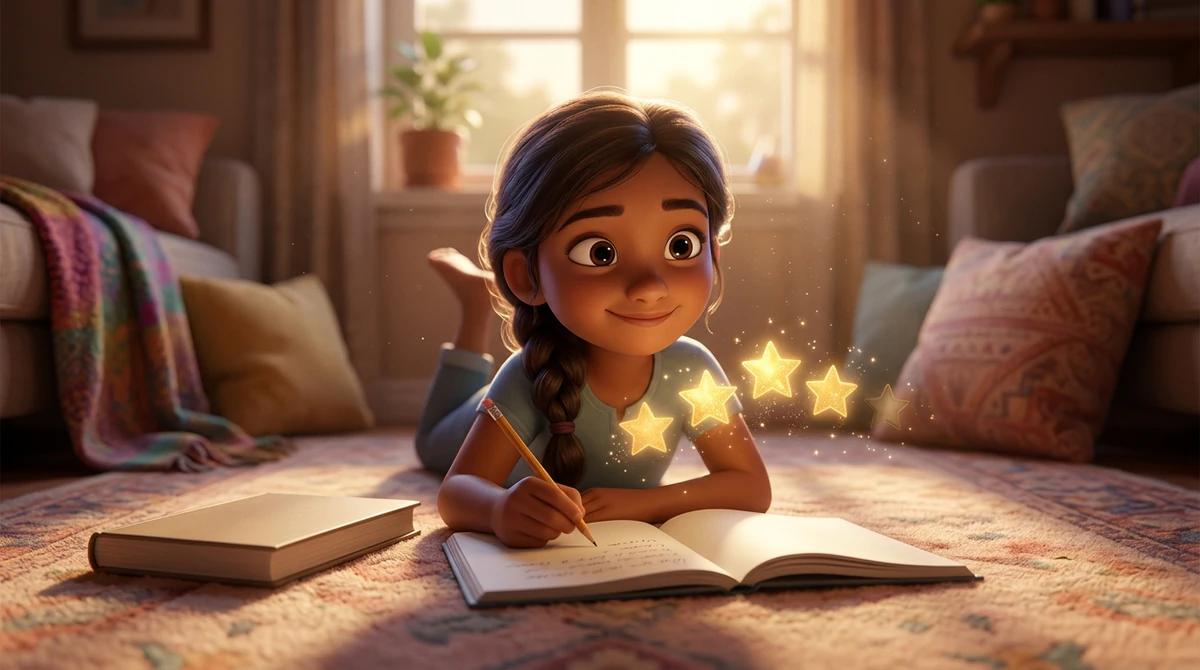
The skills employers and schools expect to matter most as AI spreads, what each one looks like in a child aged 6 to 14, and simple everyday ways to build them, most of which start with a book and a conversation.
Why some children read every word but can't tell you what happened, and seven calm ways to build understanding at home, from picturing the story to retelling it.

15 practical ideas to make reading fun for kids, from book choice and reading games to cozy spaces and creative story conversations that boost motivation.