Eight benefits with real evidence behind them, how strong each one is, and the kind of reading that brings them.

Eight ways to help, from planning and talking first to reading more and writing for a real reader, with what to expect at each age.
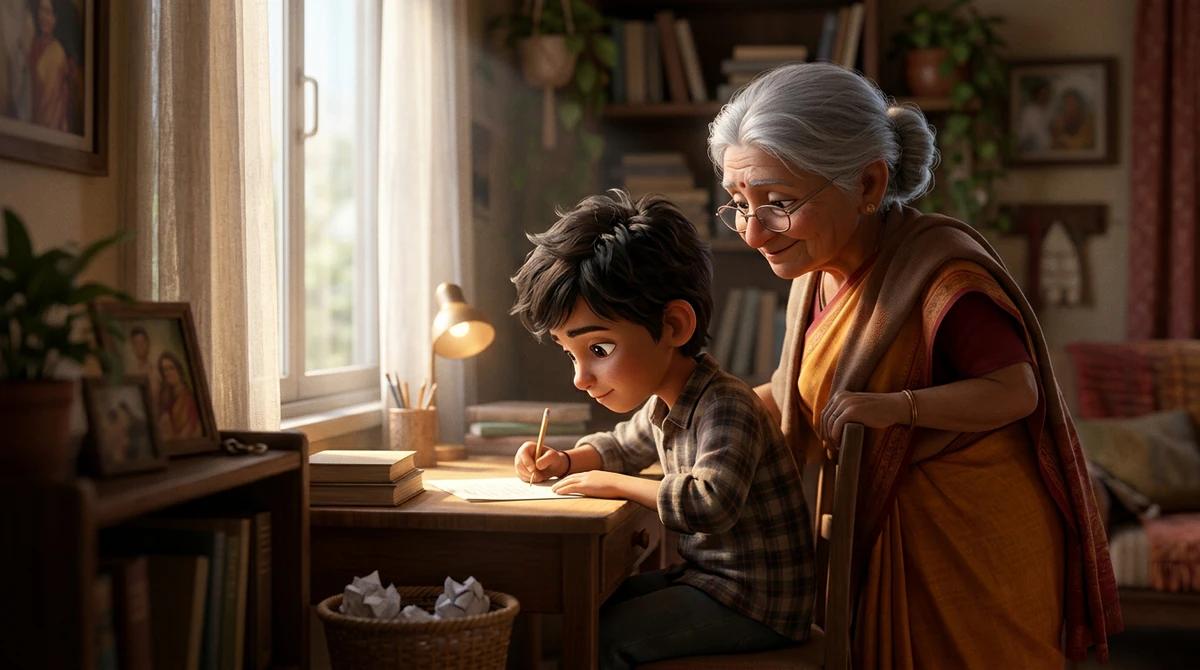
Reading improves writing by building vocabulary, sentence structure, story sense, and creativity. Learn how books quietly teach kids to write better.

Why a summary is not the same as reading the book, how deep reading and writing build the judgement children need to use AI well, and how to keep real reading going alongside new tools.
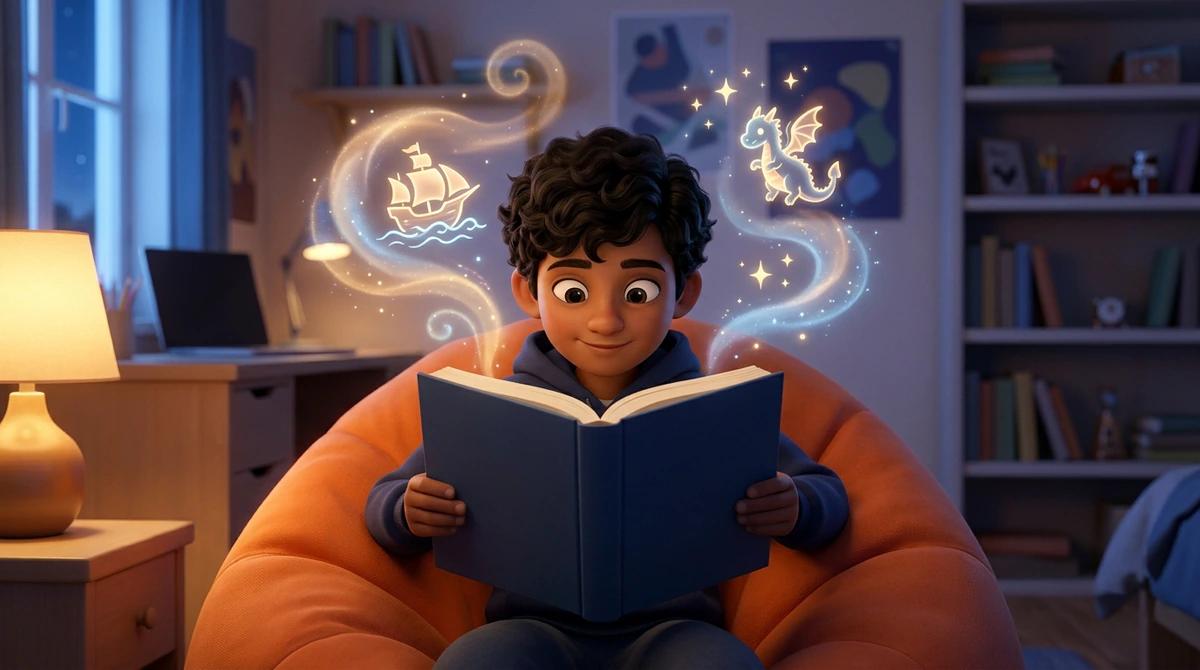
AI can explain, quiz and give feedback, or it can do the thinking for your child. Simple family rules for homework, privacy and spotting fakes.

Reading sparks imagination and helps kids learn story structure. Discover simple ways to turn young readers into confident storytellers and creative writers.
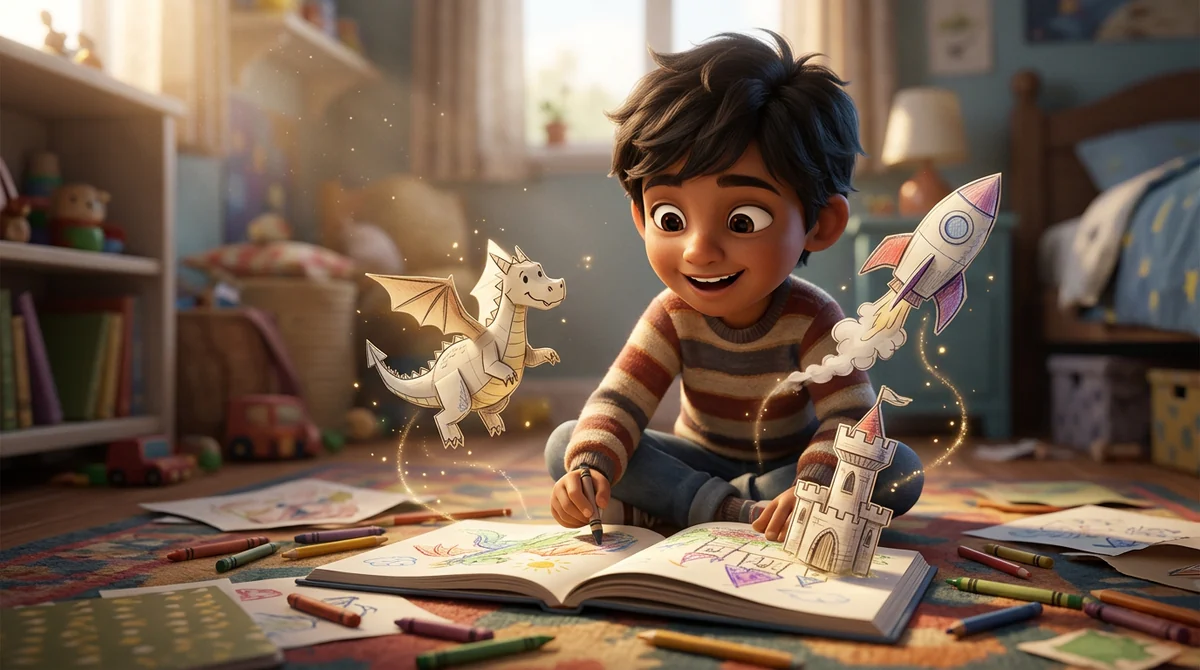
Patterns, reading and real writing beat copying words out.

Listening builds the understanding side of reading, not the decoding side. How to use audiobooks so they help your child's reading instead of replacing it.

The skills employers and schools expect to matter most as AI spreads, what each one looks like in a child aged 6 to 14, and simple everyday ways to build them, most of which start with a book and a conversation.
What brain studies found, why books feel hard after screens, and how to help your child reach for a book more often.