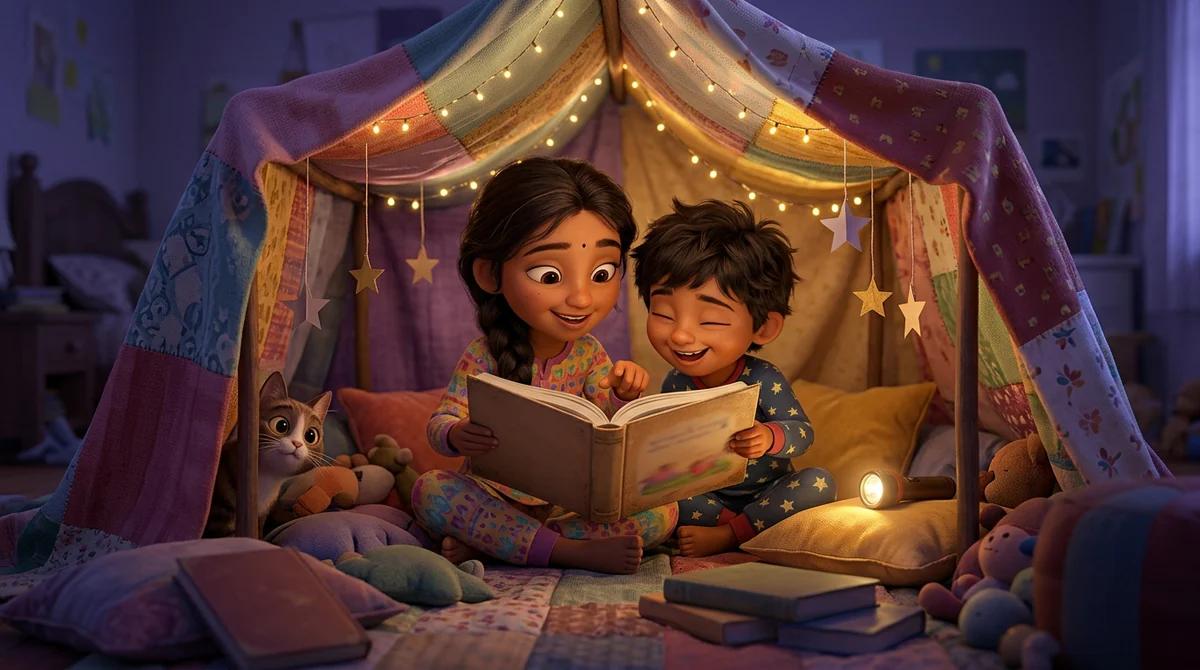
Why a summary is not the same as reading the book, how deep reading and writing build the judgement children need to use AI well, and how to keep real reading going alongside new tools.

Five questions that turn "It was good" into a review someone would want to read.

AI can explain, quiz and give feedback, or it can do the thinking for your child. Simple family rules for homework, privacy and spotting fakes.

Ready-to-use words for the moments your child says "I can't do it", "I'm stupid" or "I give up", what the research really says, and how to praise in a way that helps.
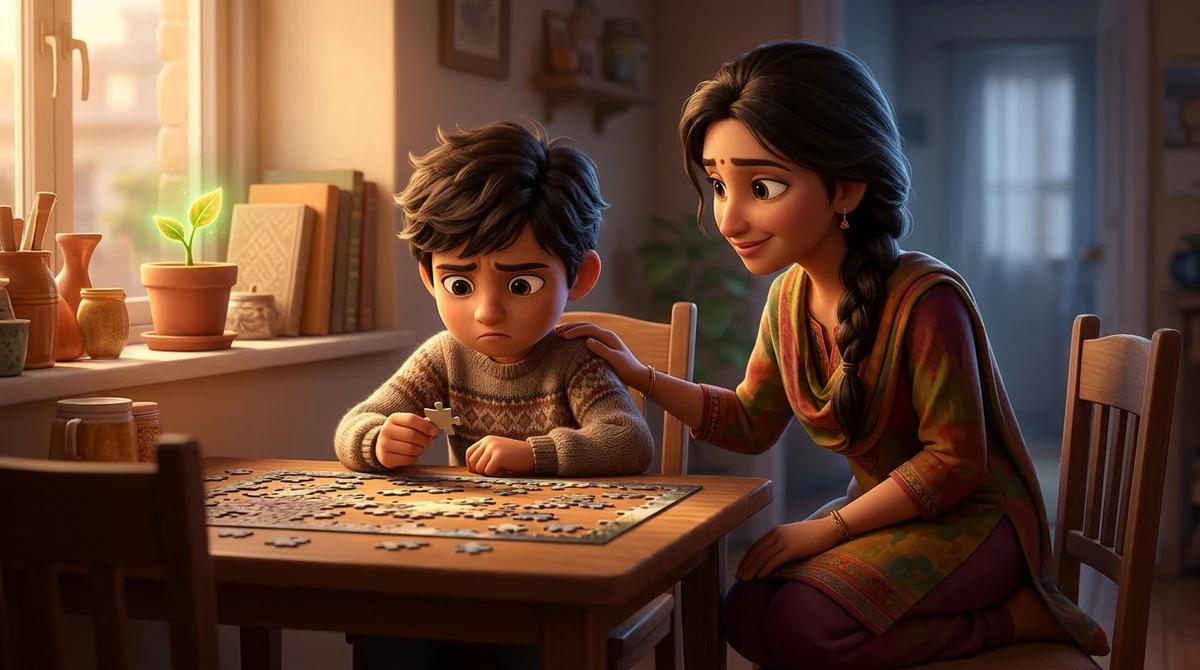
A parent's checklist for any class, app or activity, what different kinds of activity build, the warning signs to watch for, and how to plan a balanced week without overloading your child.
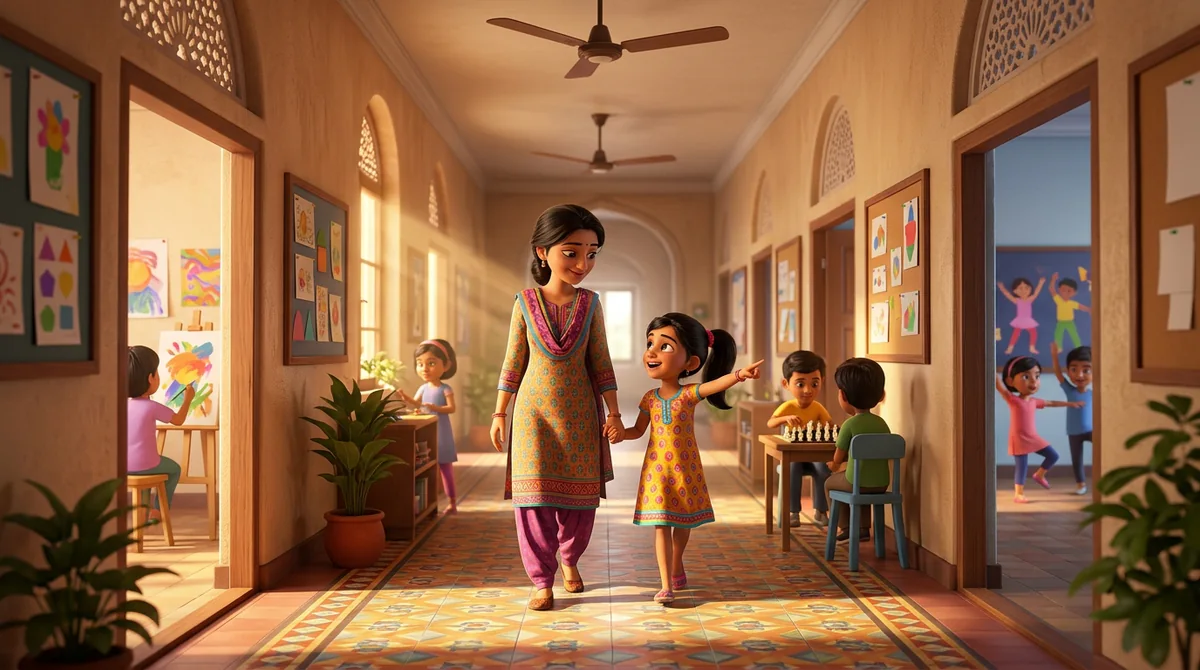
Listening builds the understanding side of reading, not the decoding side. How to use audiobooks so they help your child's reading instead of replacing it.

Eight ways to help, from planning and talking first to reading more and writing for a real reader, with what to expect at each age.
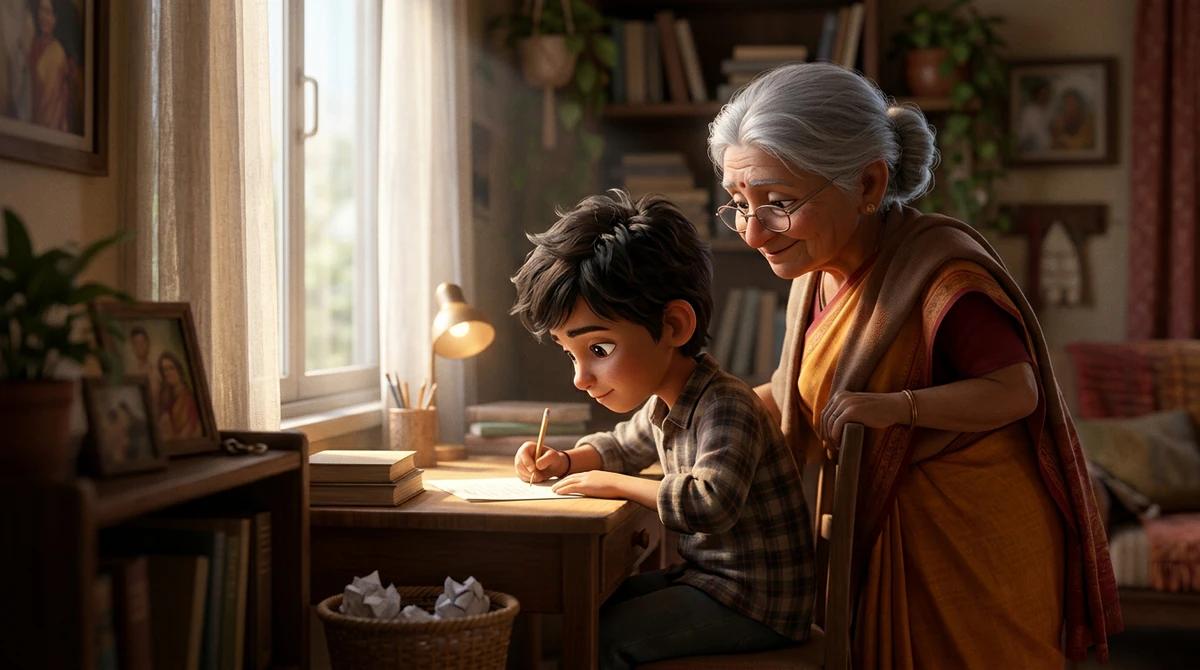
Panels, speech bubbles and a six-box story, comics to learn from with named ages, and what to do when your child says they can't draw.
Six short tales of wit retold in English, who Birbal and Tenali Rama really were, and how to pause each story so your child can work out the answer first.

15 practical ideas to make reading fun for kids, from book choice and reading games to cozy spaces and creative story conversations that boost motivation.