The story format most schools ask for (title, beginning, problem, ending), worked examples for Classes 2 to 8, writing from an outline, and what to do when your child is stuck.
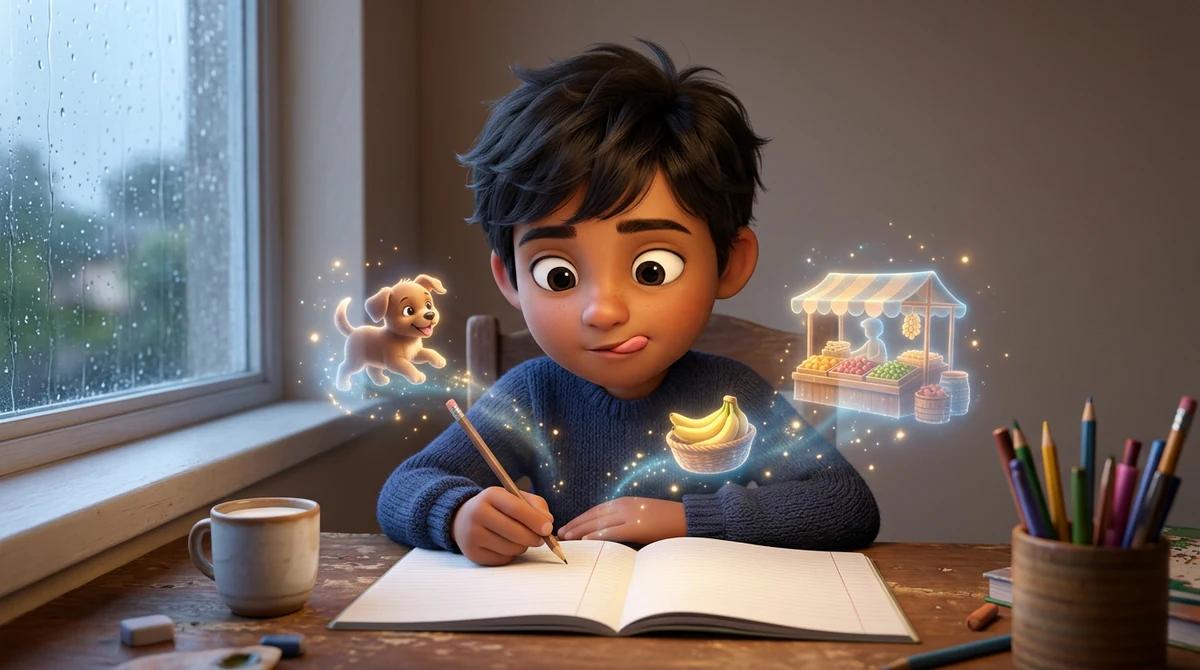
Eight ways to help, from planning and talking first to reading more and writing for a real reader, with what to expect at each age.
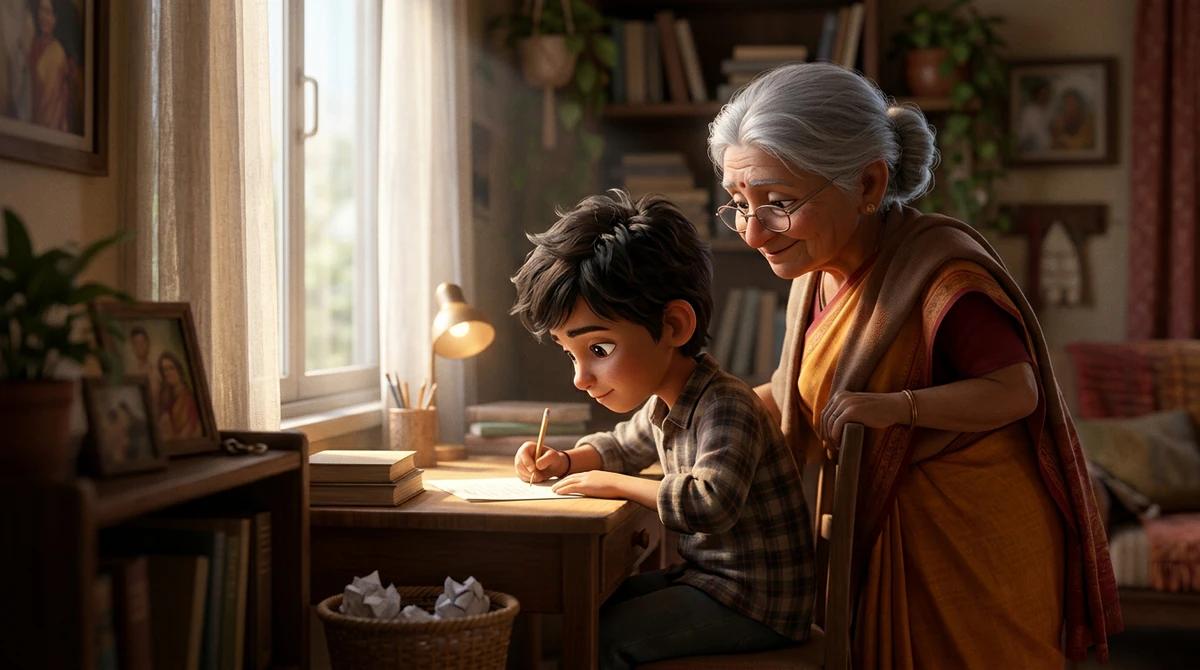
A simple five-part shape (opinion, reasons, an example, the other side and a conclusion), sentence starters, sample paragraphs for ages 7 to 14, and topics children actually care about.
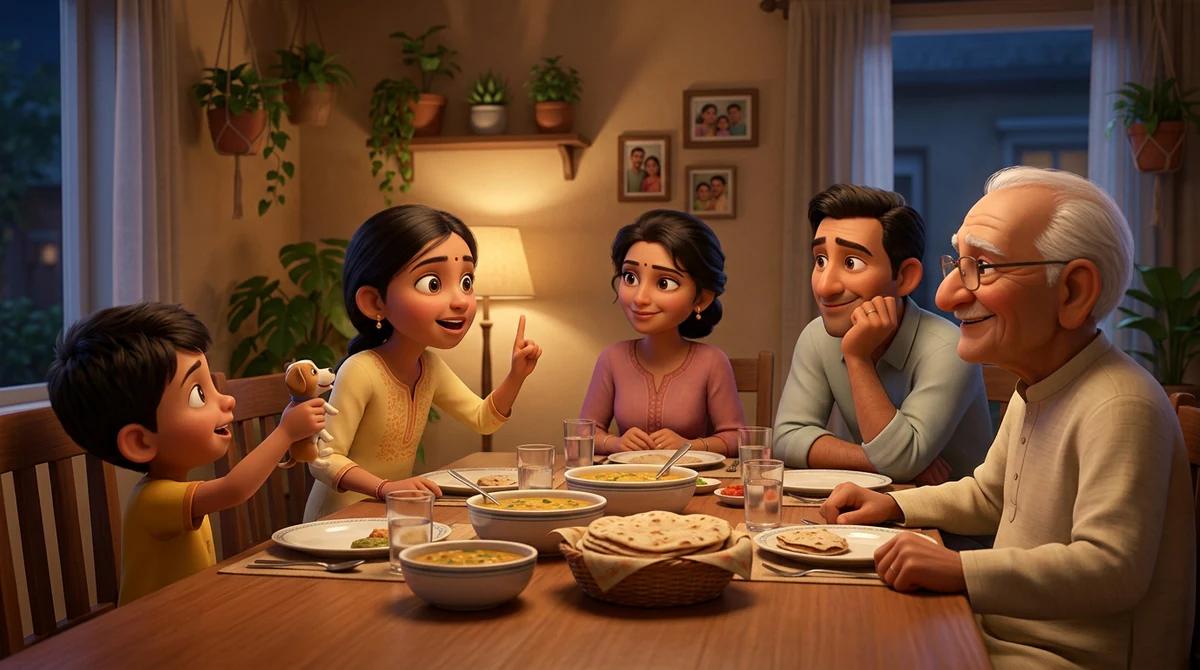
A simple shape for any story, how to use voice and pauses, bedtime stories you make up together, and getting ready for a school storytelling competition.

Eight benefits with real evidence behind them, how strong each one is, and the kind of reading that brings them.

Five questions that turn "It was good" into a review someone would want to read.
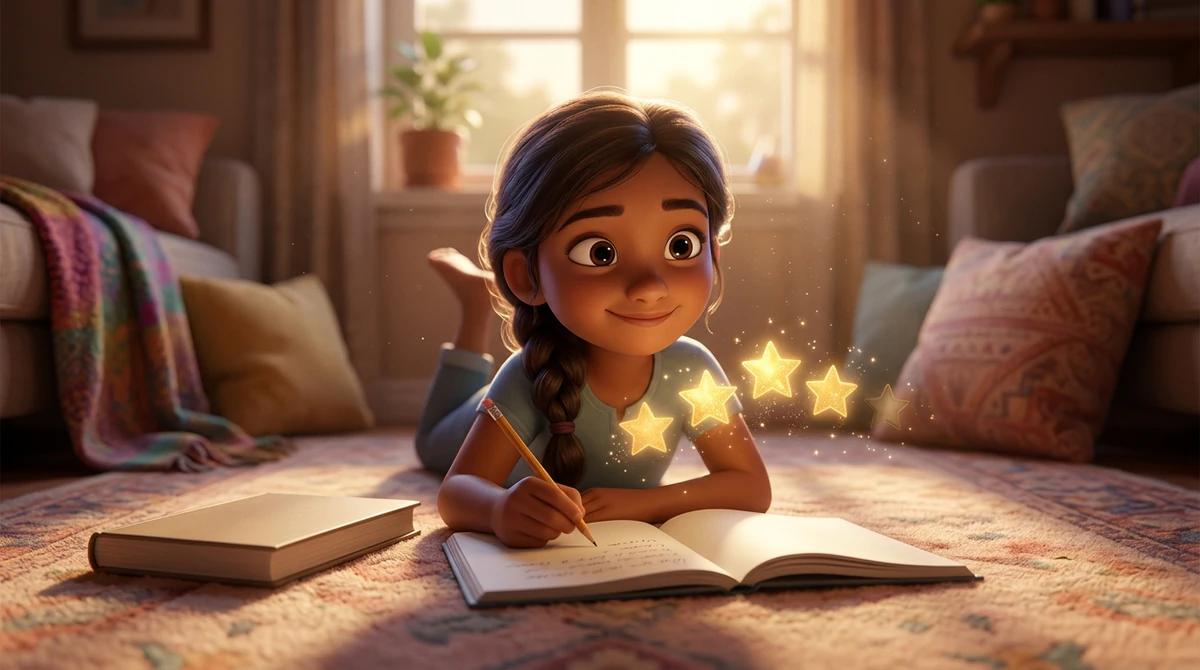
Signs of perfectionism in children, how it differs from high standards, and practical ways to help them start, write a messy first draft, read aloud without fear and make mistakes in front of you.
AI can explain, quiz and give feedback, or it can do the thinking for your child. Simple family rules for homework, privacy and spotting fakes.

Why a mentor matters, where to find one, the safety checks to insist on, and the questions to ask before your child's first session.

Listening builds the understanding side of reading, not the decoding side. How to use audiobooks so they help your child's reading instead of replacing it.