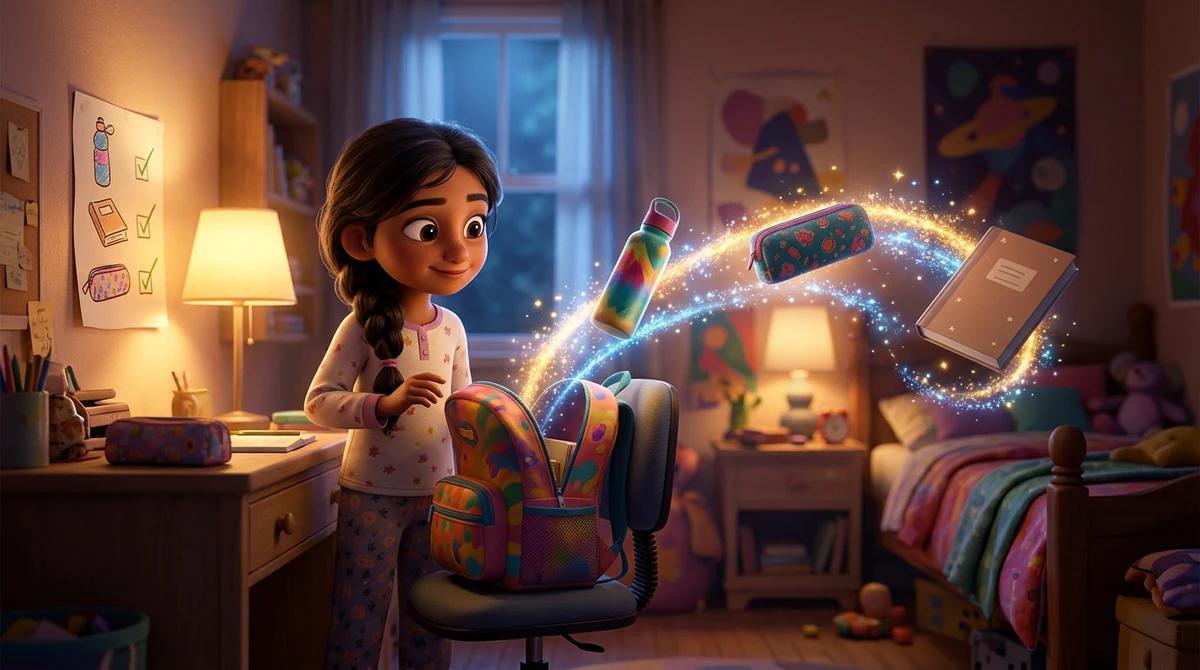
The story format most schools ask for (title, beginning, problem, ending), worked examples for Classes 2 to 8, writing from an outline, and what to do when your child is stuck.
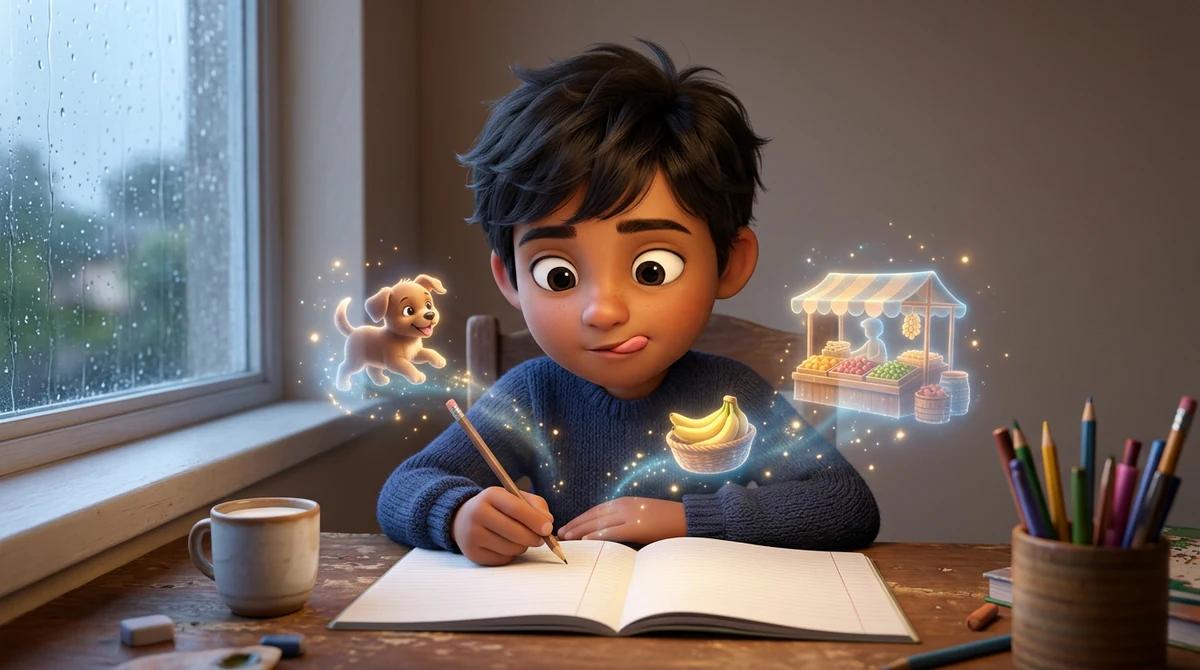
A simple five-part shape (opinion, reasons, an example, the other side and a conclusion), sentence starters, sample paragraphs for ages 7 to 14, and topics children actually care about.
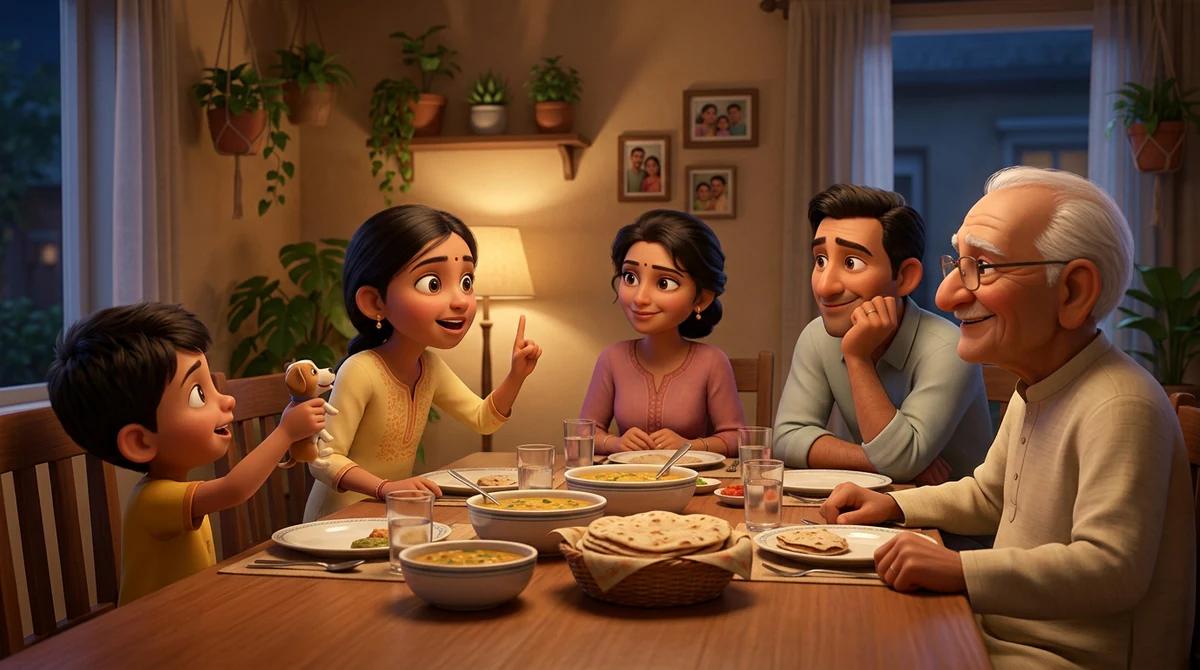
Why so many children groan at writing, seven things that help at home, and the signs that it's more than a dislike.

Start funny and read aloud, move on to novels in verse, find poems close to home, and write a five-line poem together tonight.
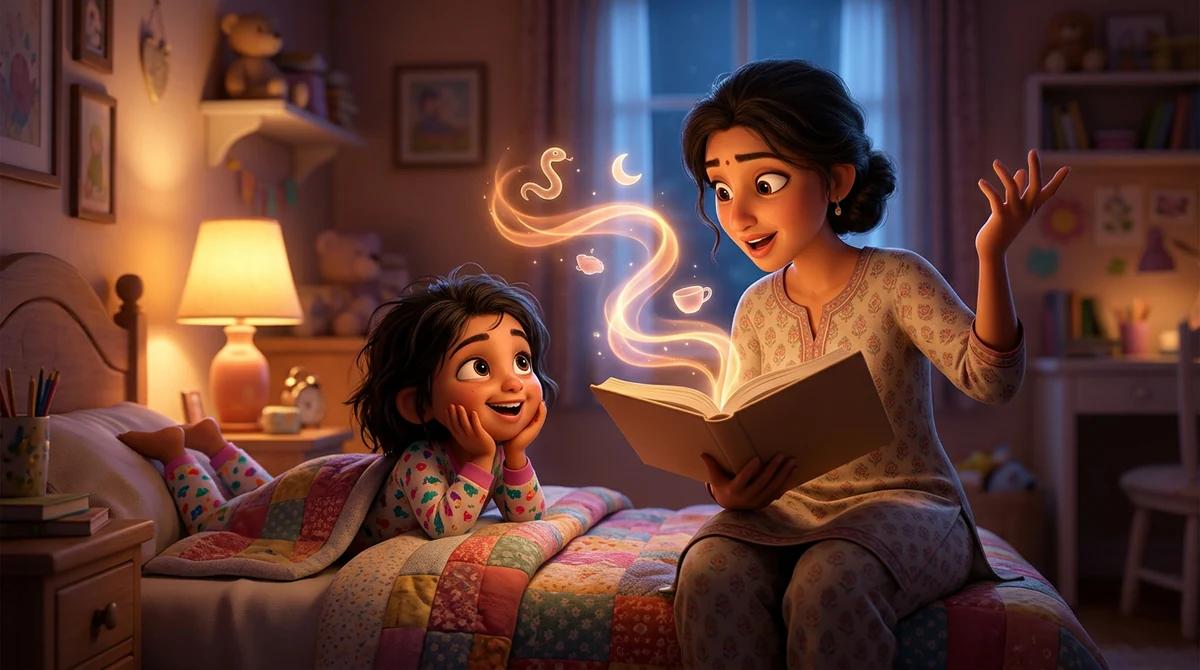
AI can explain, quiz and give feedback, or it can do the thinking for your child. Simple family rules for homework, privacy and spotting fakes.
Reading improves writing by building vocabulary, sentence structure, story sense, and creativity. Learn how books quietly teach kids to write better.
No worksheets needed. Small questions at the dinner table, in front of an advert and inside a good book.
Quiet, anxious or not ready yet: how to tell the difference, eight steps that help, and 15 easy topics to practise with.
Why some children read every word but can't tell you what happened, and seven calm ways to build understanding at home, from picturing the story to retelling it.
What executive function is, what to expect at each age from 6 to 14, and everyday games, routines and habits that help a child remember, plan and stay on track.