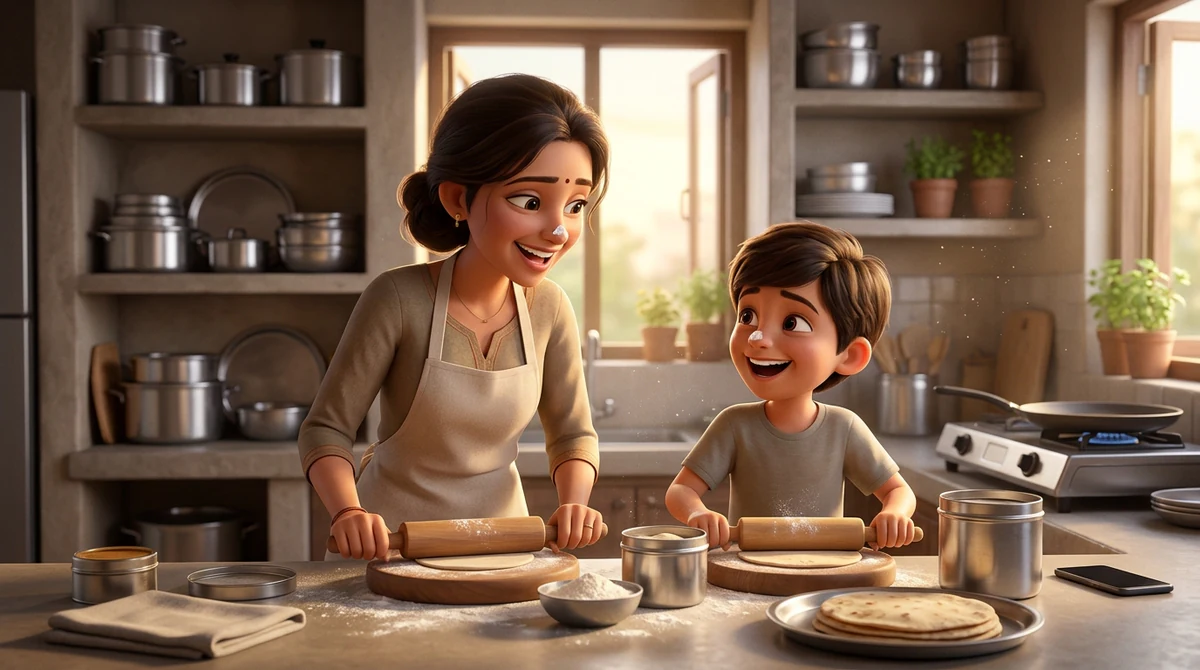
Free time, open-ended materials, "what if" questions, finishing their own ideas, and books as raw material for stories.
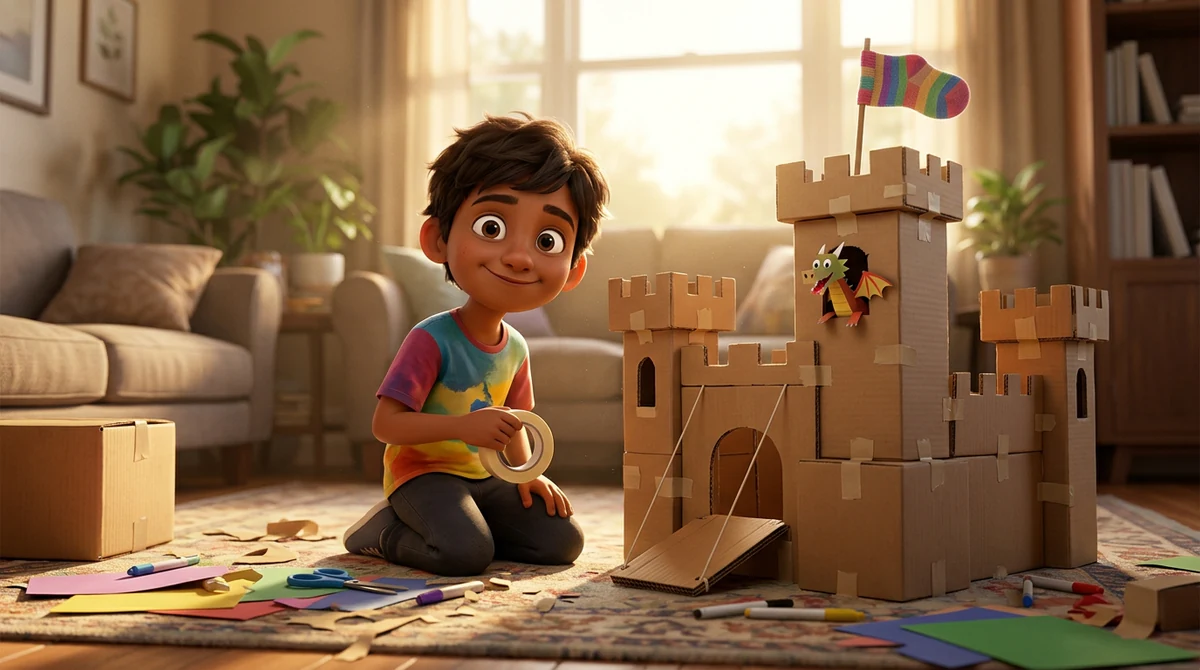
Eight ways to help, from planning and talking first to reading more and writing for a real reader, with what to expect at each age.
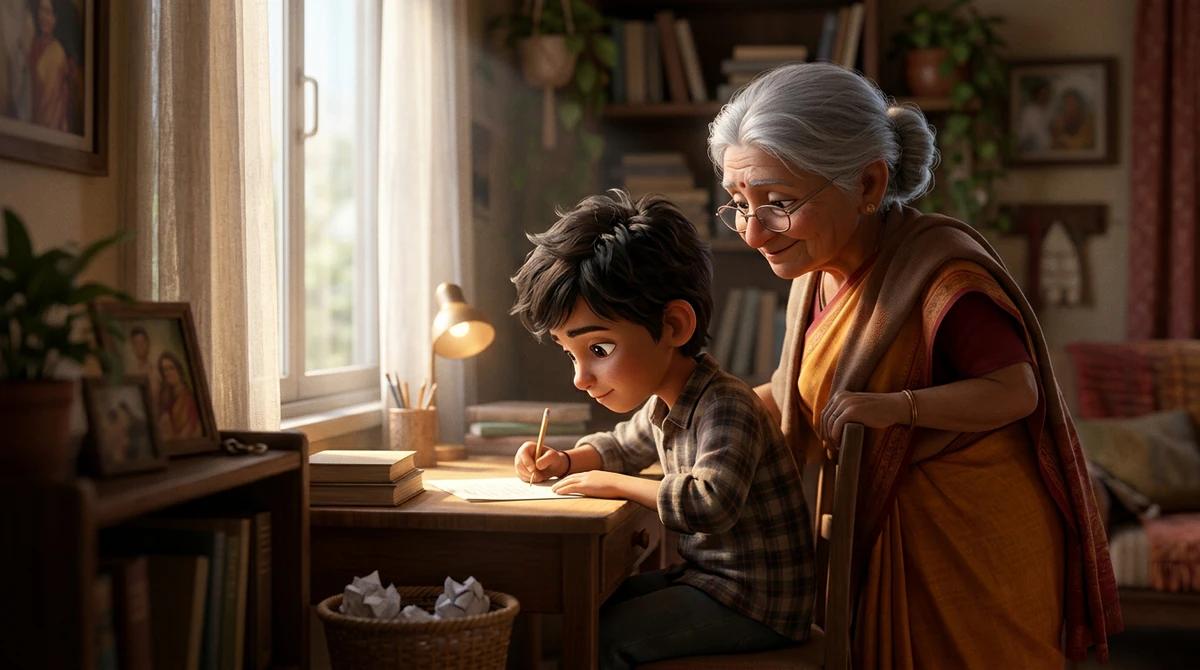
Prompts about me, feelings, good things, what-ifs, story starters and books, with how to start a journal and keep it going.
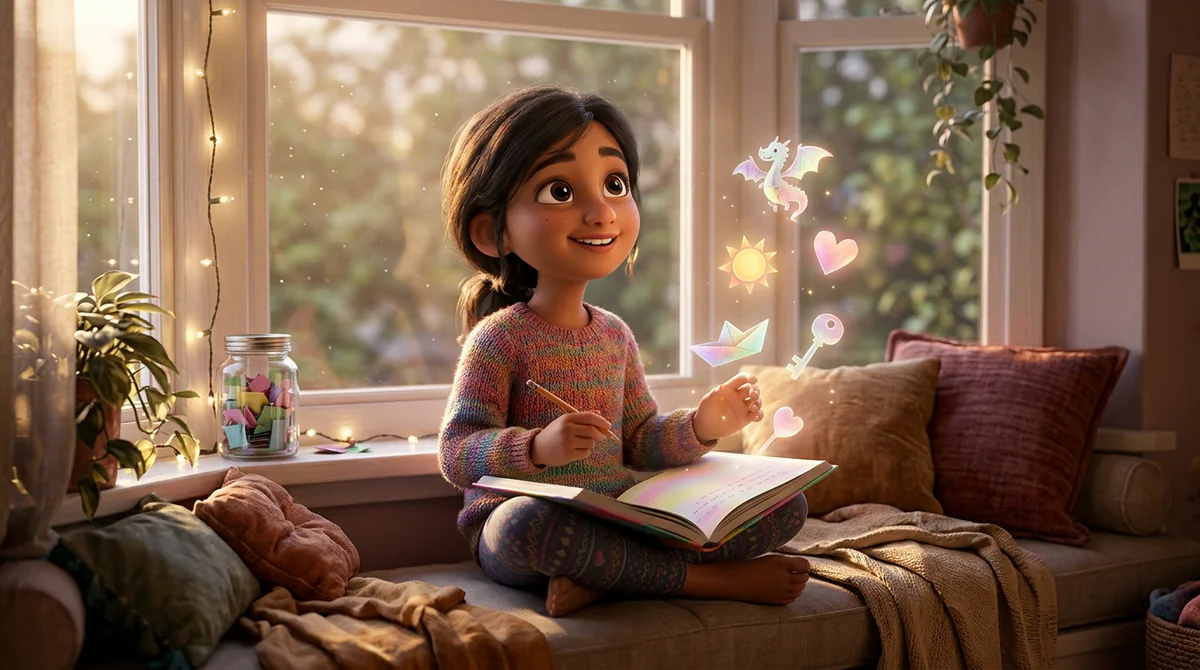
Reading sparks imagination and helps kids learn story structure. Discover simple ways to turn young readers into confident storytellers and creative writers.
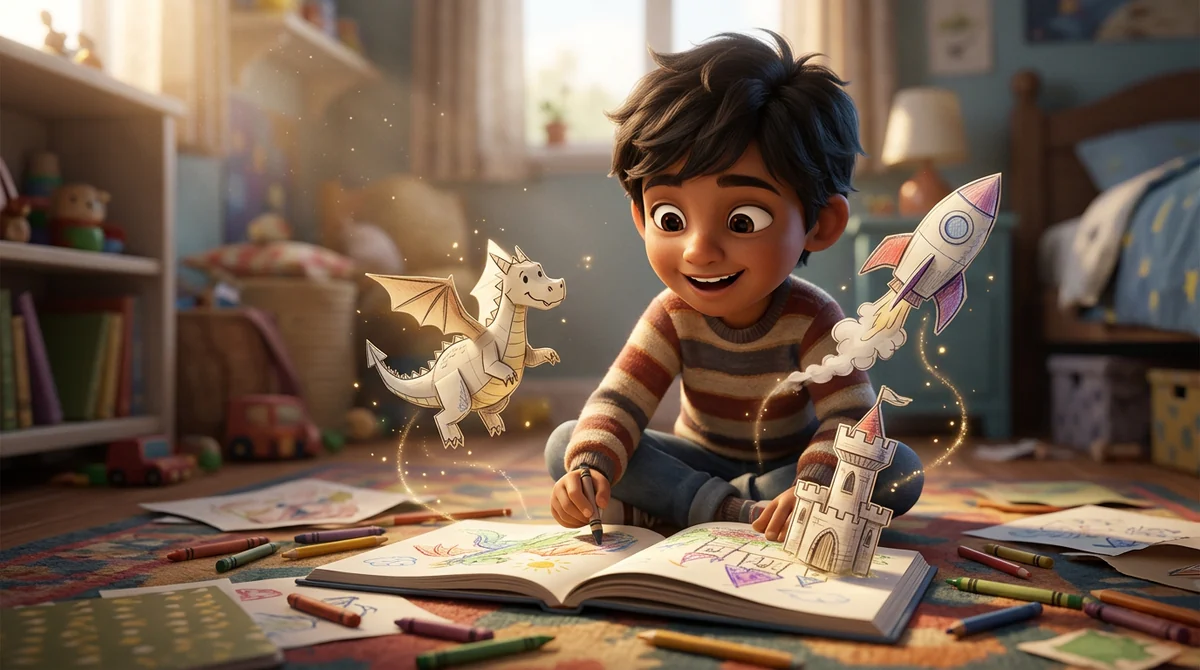
Why some children love being scared by a story, the difference between scary and disturbing, starting points by age with named sources, and when to put a book down.
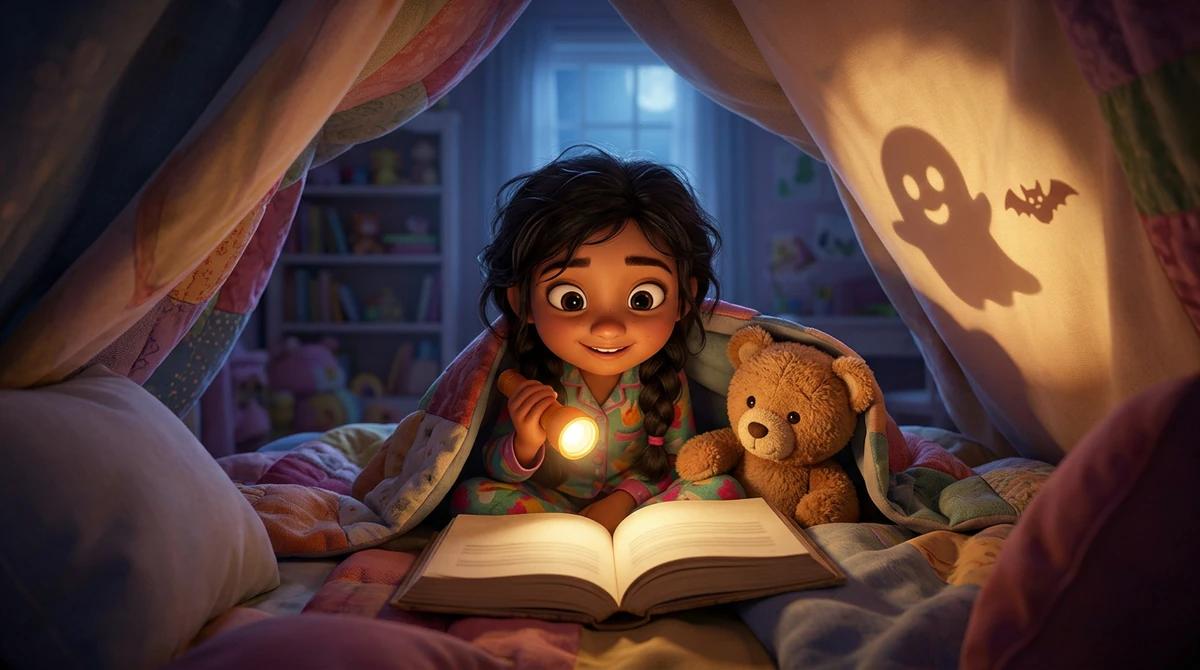
Panels, speech bubbles and a six-box story, comics to learn from with named ages, and what to do when your child says they can't draw.
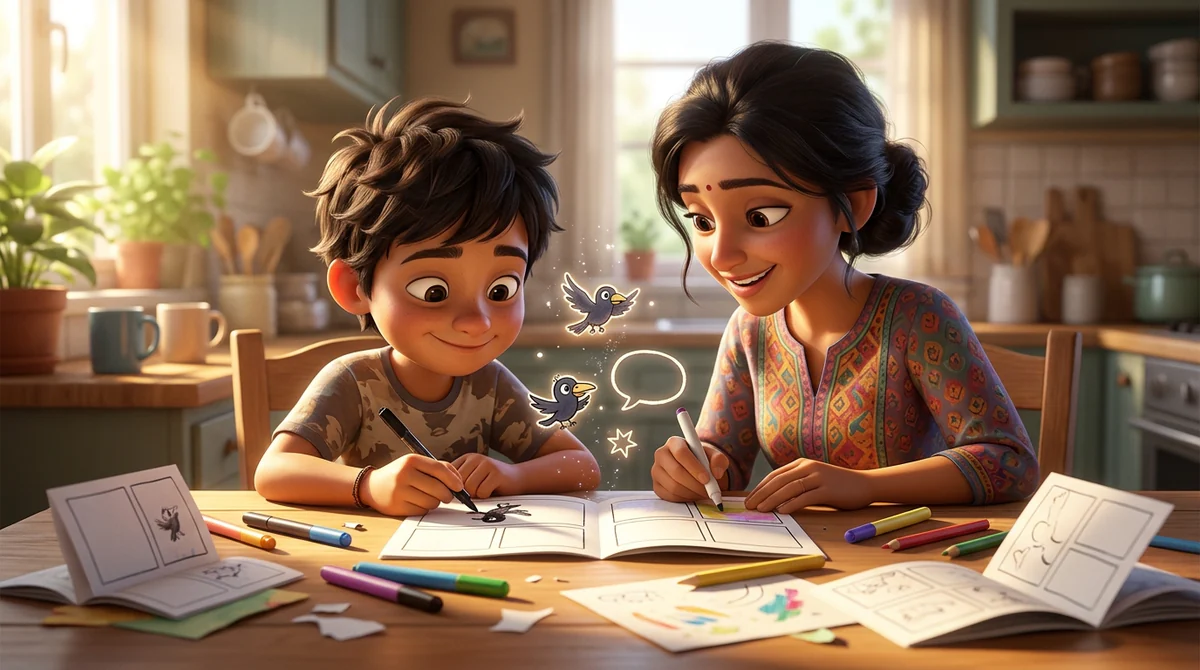
The story format most schools ask for (title, beginning, problem, ending), worked examples for Classes 2 to 8, writing from an outline, and what to do when your child is stuck.
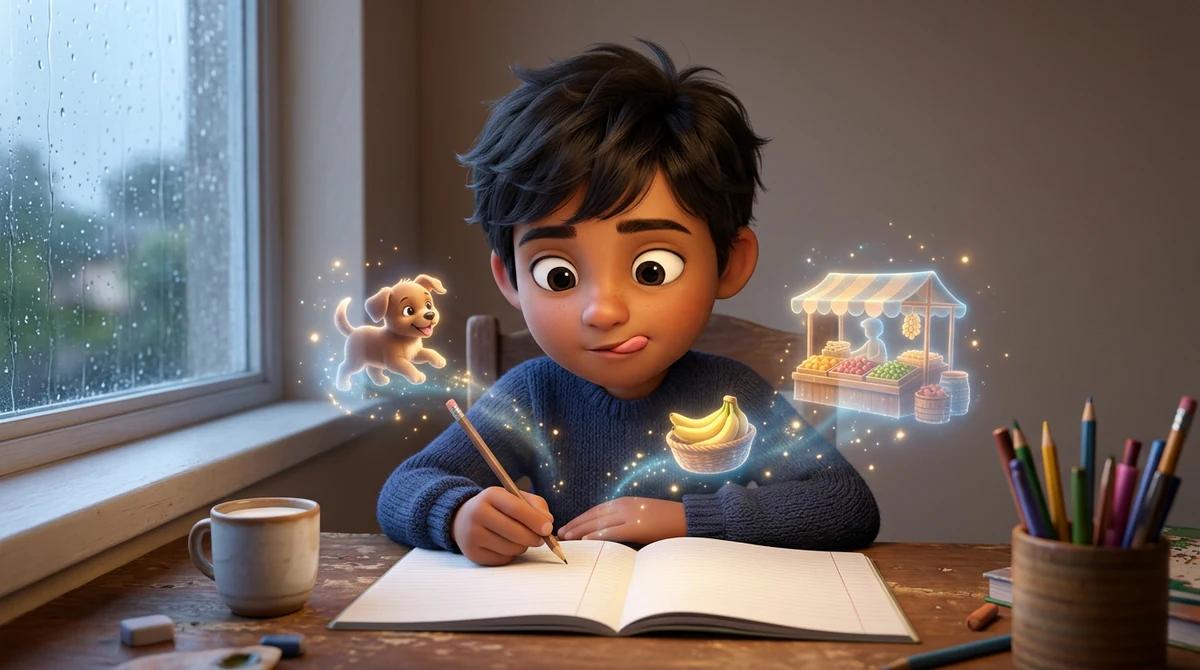
Twenty ideas that make reading cosier, more their own and easier to share, with a quick guide by age and budget.
15 practical ideas to make reading fun for kids, from book choice and reading games to cozy spaces and creative story conversations that boost motivation.
Short, daily, child-led time that fits a busy week: 30 ideas for talking, playing, making, moving and reading together, what works at each age, and how to keep phones out of it.