The story format most schools ask for (title, beginning, problem, ending), worked examples for Classes 2 to 8, writing from an outline, and what to do when your child is stuck.
Eight ways to help, from planning and talking first to reading more and writing for a real reader, with what to expect at each age.
Why so many children groan at writing, seven things that help at home, and the signs that it's more than a dislike.
A simple five-part shape (opinion, reasons, an example, the other side and a conclusion), sentence starters, sample paragraphs for ages 7 to 14, and topics children actually care about.
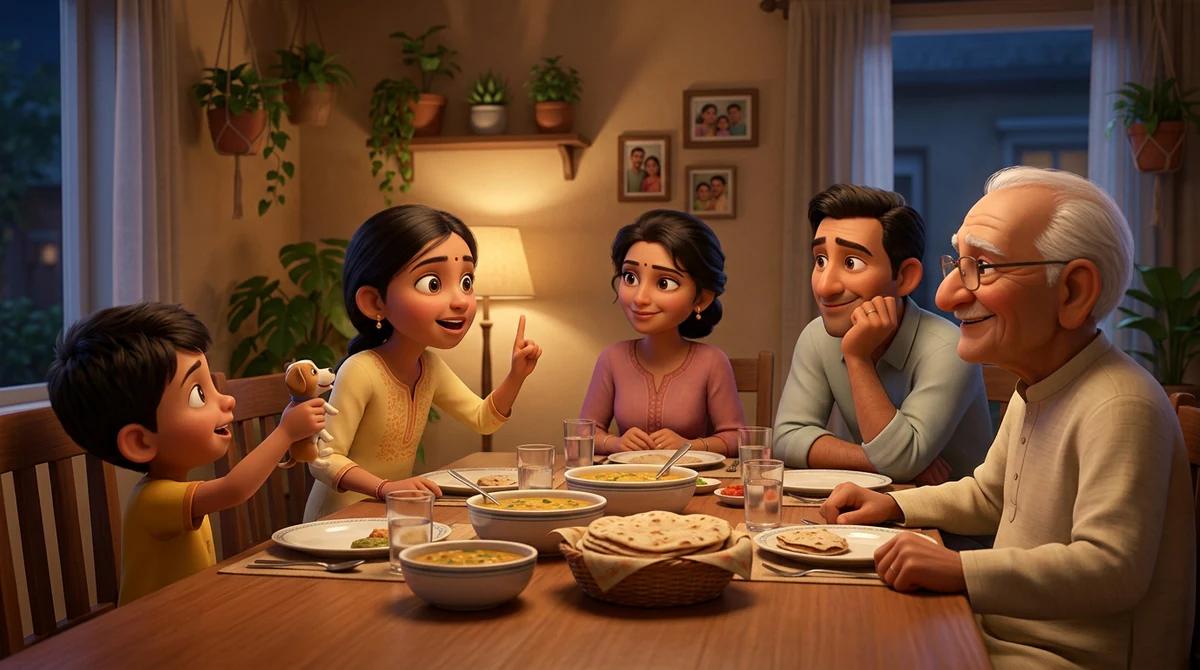
AI can explain, quiz and give feedback, or it can do the thinking for your child. Simple family rules for homework, privacy and spotting fakes.
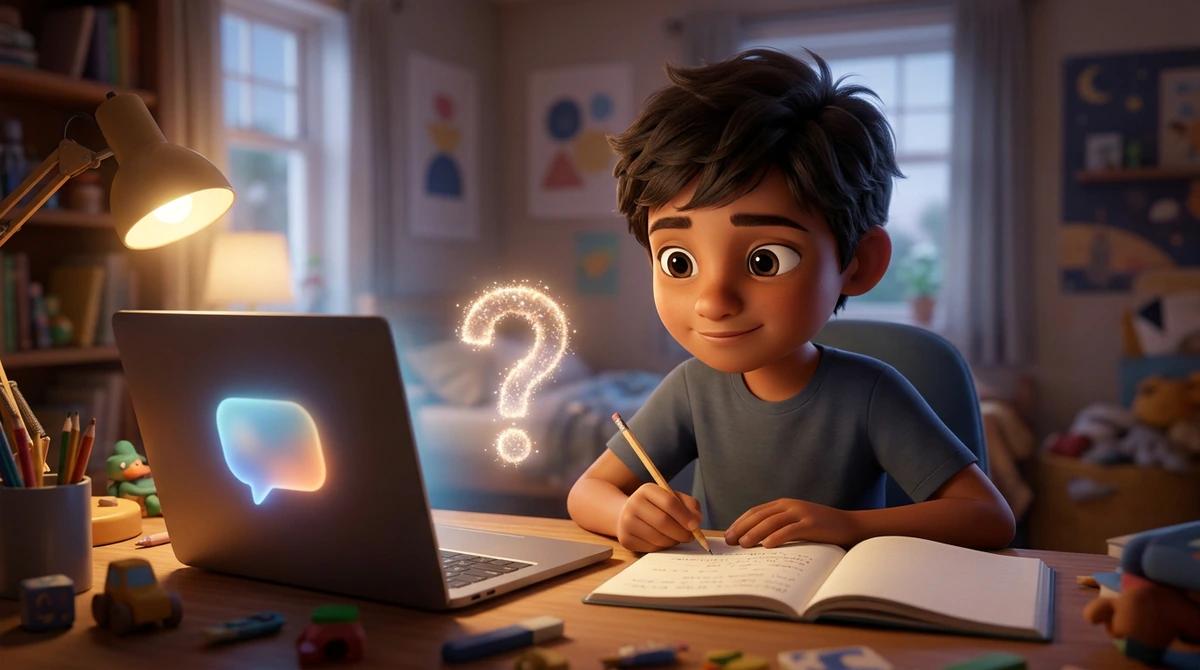
A simple shape for any story, how to use voice and pauses, bedtime stories you make up together, and getting ready for a school storytelling competition.
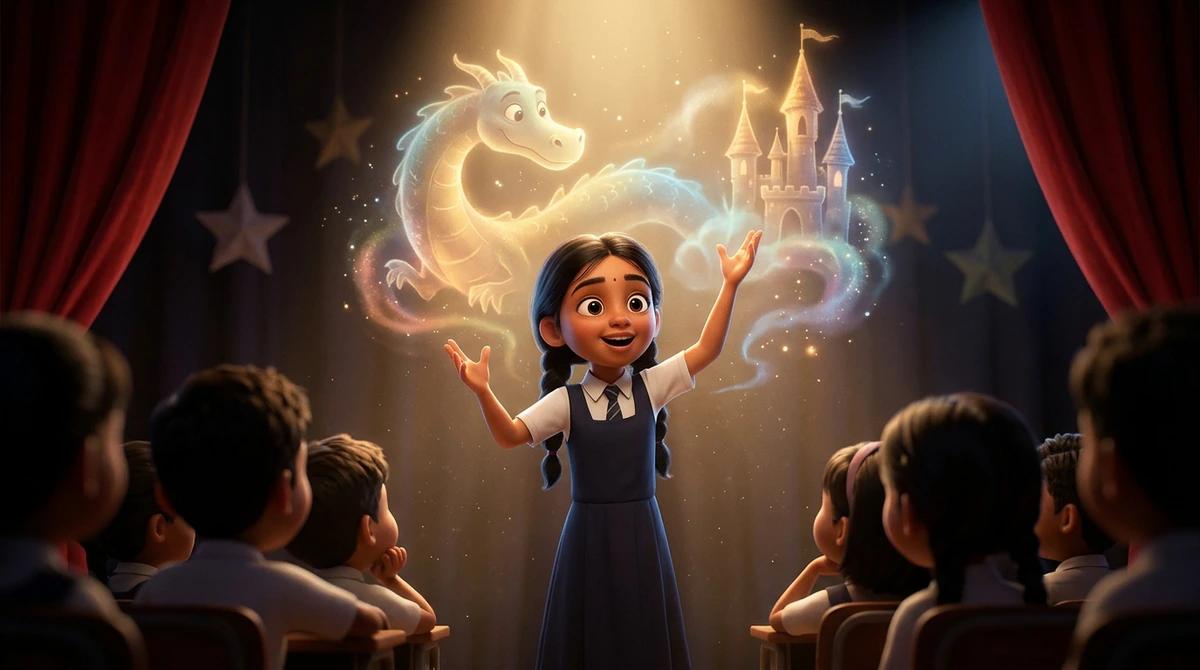
Reading improves writing by building vocabulary, sentence structure, story sense, and creativity. Learn how books quietly teach kids to write better.
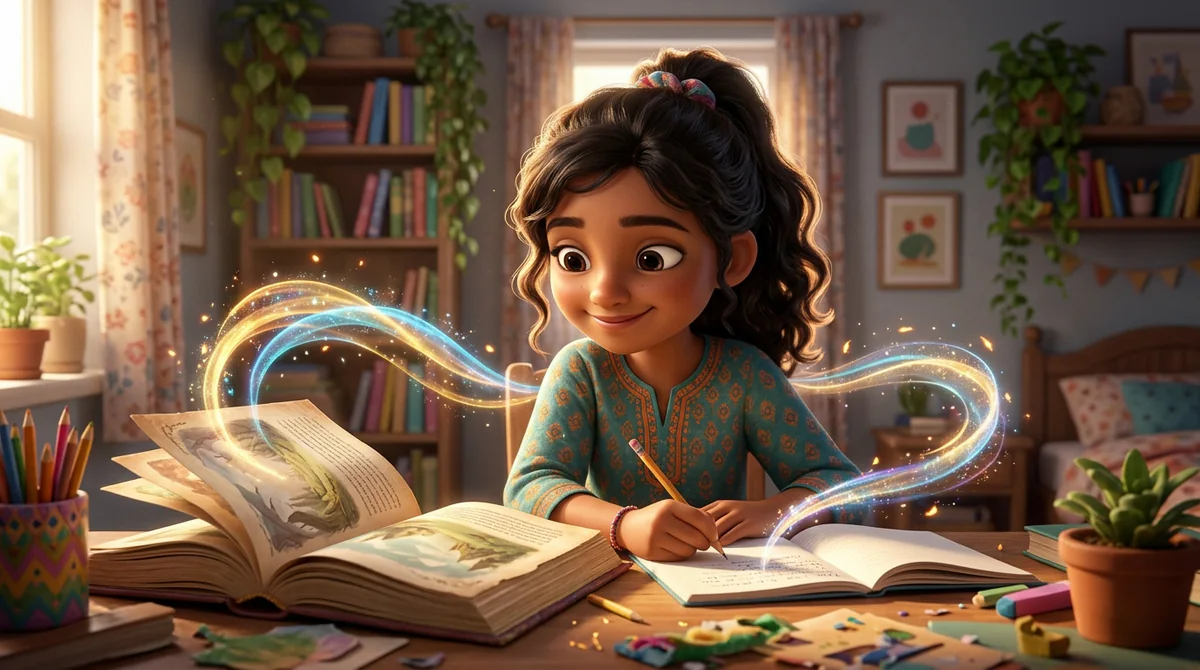
Panels, speech bubbles and a six-box story, comics to learn from with named ages, and what to do when your child says they can't draw.
Reading sparks imagination and helps kids learn story structure. Discover simple ways to turn young readers into confident storytellers and creative writers.
Prompts about me, feelings, good things, what-ifs, story starters and books, with how to start a journal and keep it going.